

Seagulls, more accurately referred to as gulls, are among the most familiar seabirds in the world. Found along coastlines, lakes, rivers, and even urban environments, they are highly adaptable birds that have successfully coexisted with humans for centuries. Their intelligence, social behavior, and flexible diet make them an important subject for understanding how wildlife adapts to changing environments.
Although often associated with beaches and fishing ports, seagulls are far more than scavengers. They play meaningful roles in marine and coastal ecosystems, acting as predators, scavengers, and indicators of environmental change. Studying seagulls provides insight into ecosystem health, food availability, and the impact of human activity on seabirds.
Scientific Classification
Seagulls are not a single species but a diverse group of birds within the gull family.
- Kingdom: Animalia
- Phylum: Chordata
- Class: Aves
- Order: Charadriiformes
- Family: Laridae
- Genus: Larus (and several related genera)
- Species: Over 50 species worldwide, including Larus argentatus (Herring gull) and Larus marinus (Great black-backed gull)
Because of their diversity, behavior and appearance can vary significantly among species.
Physical Characteristics
Size and Appearance
Seagulls range in size from small species measuring around 25 cm in length to large species exceeding 75 cm, with wingspans reaching up to 1.7 meters. Most gulls have strong, broad wings designed for efficient soaring and long-distance flight.
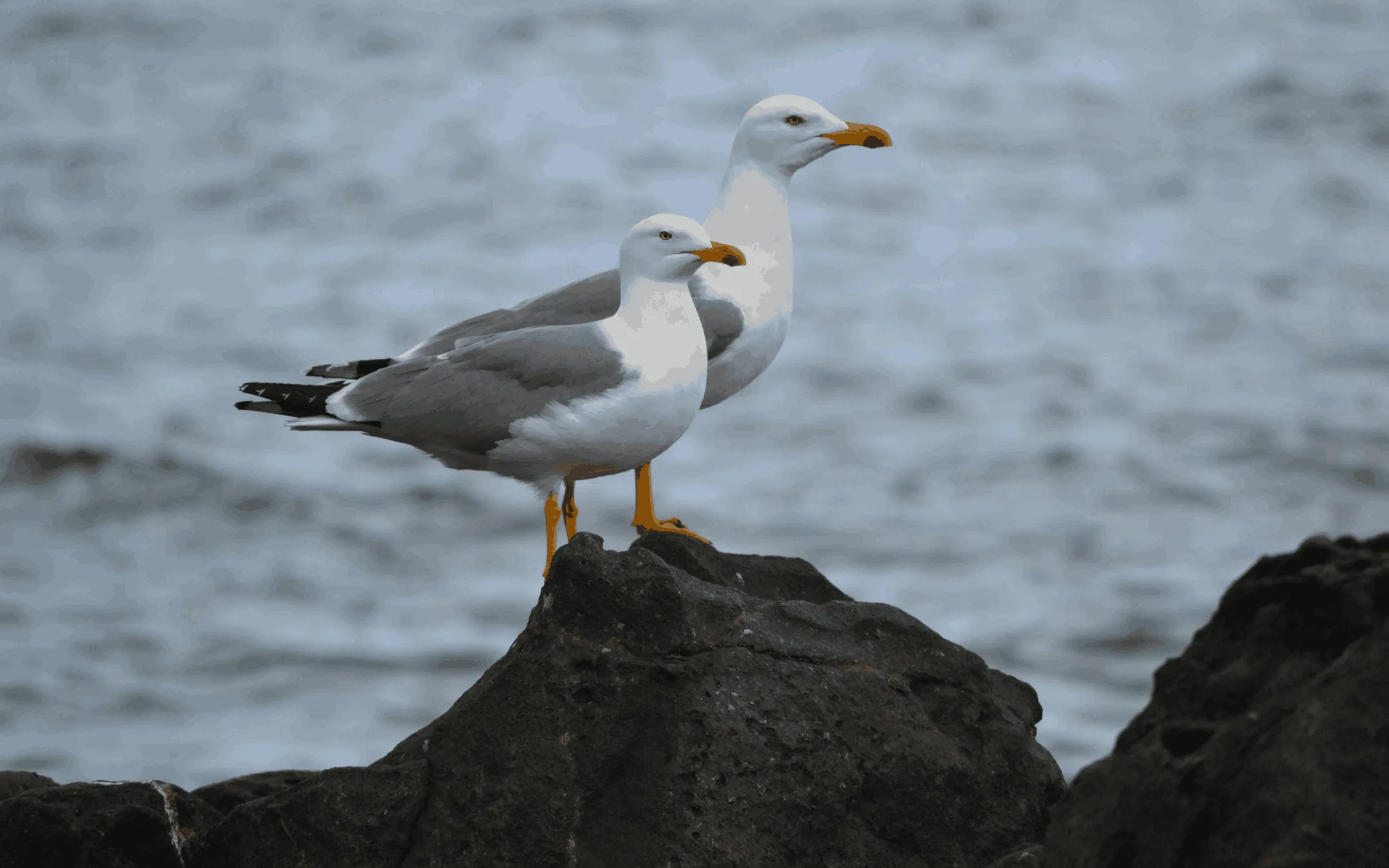
Typical coloration includes white or light-colored bodies with gray or black wings, which provides camouflage against both sky and sea. Many species have distinctive markings on their wings and heads that change with age or season.
Unique Adaptations
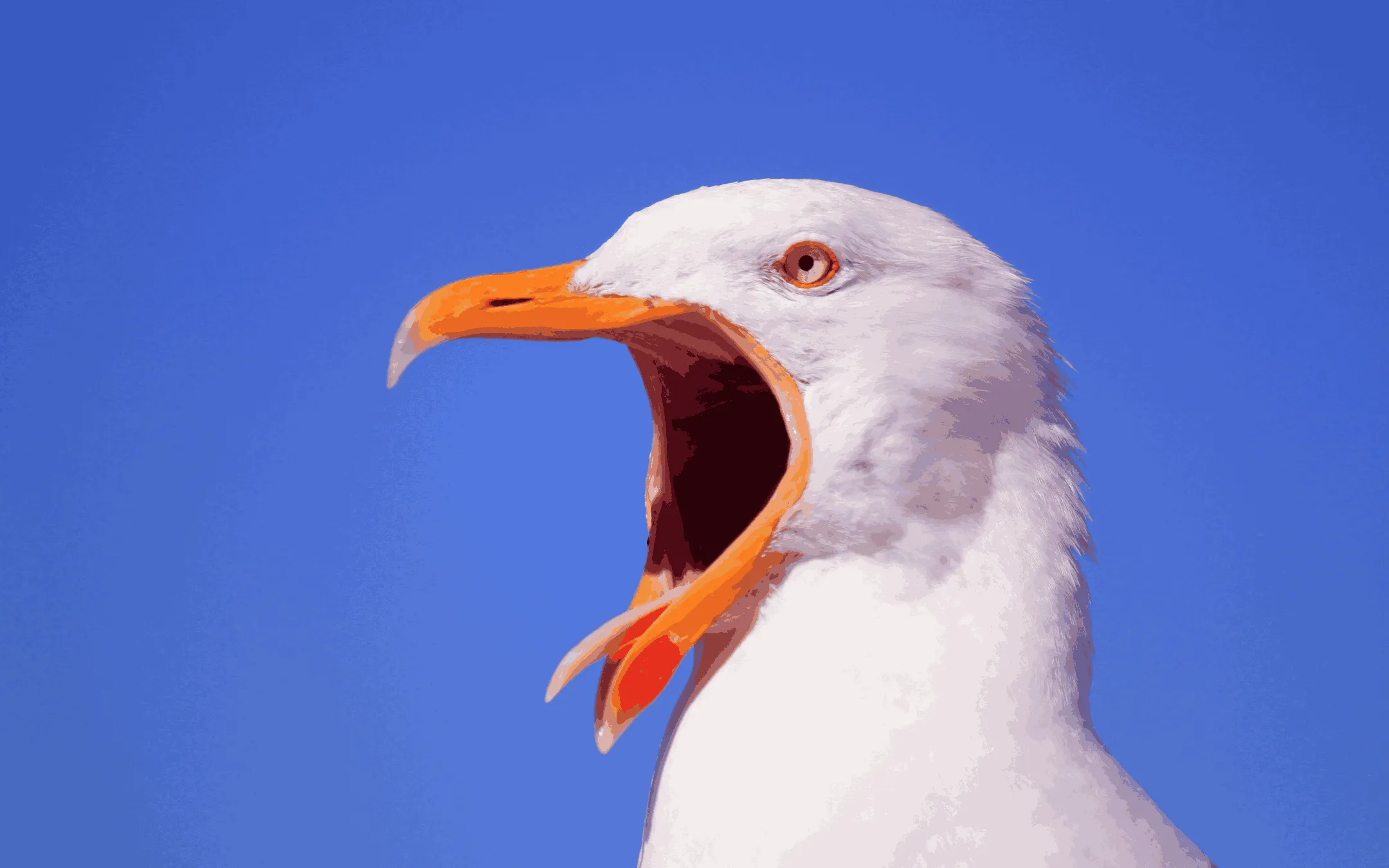
Seagulls possess several adaptations that support their opportunistic lifestyle. Their strong, hooked bills allow them to catch prey, tear food, and scavenge efficiently. Webbed feet enable swimming, while their buoyant bodies allow them to float effortlessly on water.
Their eyesight is particularly well developed, allowing them to detect food from a distance, both on land and at sea. Seagulls are also known for their problem-solving abilities and capacity to learn new behaviors quickly.
Habitat and Distribution
Global Range
Seagulls have an exceptionally wide distribution. They are found on every continent, including Antarctica’s surrounding waters. Most species are associated with coastal and marine environments, but many also inhabit inland lakes, rivers, agricultural areas, and cities.
Major populations occur along the coasts of Europe, North America, Asia, Australia, and parts of Africa.
Preferred Environments
Seagulls thrive in diverse habitats, including sandy beaches, rocky shores, estuaries, harbors, wetlands, and open ocean waters. Some species have adapted well to urban environments, nesting on rooftops and feeding at landfills or fishing ports.
Their ability to exploit both natural and human-altered environments has contributed to their widespread success.
Behavior and Diet
Feeding Habits
Seagulls are omnivorous and highly opportunistic feeders. Their diet includes fish, crustaceans, molluscs, insects, small mammals, eggs of other birds, and carrion. They also consume human food waste when available.
Many species use clever feeding strategies, such as dropping shellfish onto hard surfaces to break them open or following fishing boats to feed on discarded catch.
Social Behavior
Seagulls are highly social birds. They often nest in large colonies and communicate using a wide range of vocalizations and body postures. These social structures help protect nests from predators and improve feeding efficiency.
They are also known for aggressive territorial behavior during breeding season, particularly when defending nests and chicks.
Role in the Marine Ecosystem
Seagulls play several important roles in marine and coastal ecosystems. As predators, they help regulate populations of fish, invertebrates, and insects. As scavengers, they contribute to nutrient recycling by consuming dead animals and organic waste.
By moving between marine and terrestrial environments, seagulls help transport nutrients across ecosystems. Their feeding and nesting habits can also influence the behavior of other species, particularly in breeding colonies.
Because gull populations respond quickly to changes in food availability and pollution levels, they are often used as bioindicators of ecosystem health.
Conservation Status and Threats
IUCN Status
The conservation status of seagulls varies by species. While some species, such as the black-headed gull, are classified as Least Concern, others are listed as Vulnerable or Near Threatened due to population declines.
Climate Change
Climate change affects seagulls indirectly by altering prey distribution, breeding timing, and habitat availability. Rising sea levels threaten nesting sites, while changes in fish populations can reduce food supply for certain species.
Interesting Facts About Seagulls
- Seagulls can drink saltwater thanks to specialized glands that filter out excess salt.
- Many gull species live for over 20–30 years in the wild.
- Seagulls are capable of learning complex behaviors and remembering food sources over long periods.
- Some species migrate thousands of kilometers between breeding and wintering grounds.
- Juvenile gulls often take several years to develop adult plumage.
Conclusion
Seagulls are intelligent, adaptable seabirds that play vital roles in marine and coastal ecosystems. Their ability to thrive in both natural and human-dominated environments highlights their ecological flexibility, but it also exposes them to a range of modern threats.
Protecting seagulls and their habitats requires balanced coastal management, reduced pollution, and responsible fishing practices. As visible and widespread seabirds, seagulls serve as important indicators of ocean and coastal ecosystem health, making their conservation relevant far beyond the shoreline.
How endangered is this animal?
Human activity has a mixed impact on seagulls. In some regions, increased food availability from landfills and fishing has led to population growth. In other areas, threats include habitat loss, disturbance at nesting sites, pollution, and entanglement in fishing gear.
Plastic pollution is a growing concern, as gulls may ingest plastic debris mistaken for food. Oil spills and chemical contamination can also cause direct mortality and long-term health effects.
Sources
Smithsonian National Museum of Natural History – Gulls and Seabirds
https://naturalhistory.si.edu/education/teaching-resources/birds
Fact Animal
https://factanimal.com/seagull/
National Geographic – Gulls
https://www.nationalgeographic.com/animals/article/150817-seals-seagulls-animals-science-predators-prey
Overview
Also Known As
Gulls
Size
25–75 cm (10–30 in) in length; wingspan up to 1.7 m (5.5 ft), depending on species
Distribution
Worldwide, across coastal regions, inland lakes, rivers, and urban areas on all continents
Habitat
Coastal shorelines, beaches, estuaries, wetlands, open ocean waters, and human-modified environments
Food
Fish, crustaceans, molluscs, insects, small animals, carrion, and human food waste
Lifespan
Typically 10–30 years, depending on species and environmental conditions
Help us save the oceans
by surfing the web!
.png)
.png)
.png)

.png)
.png)
.png)
.png)
.png)
.png)